
When Grief Feels Silenced: Support After Auto-Erotic Asphyxiation and Sex-Related Deaths
Over the years I tried a few times to talk to people I considered friends or work colleagues, and invariably it ended badly

When my brother Craig died in 1997 as a result of auto-erotic asphyxiation, I was sixteen and I didn't know there was a name for the circumstances of his death.
I didn't know anyone else who had experienced what my family was going through. I didn't know if what I was feeling was normal.
Most importantly, I didn't know who I could talk to.
And so I didn’t talk to anyone.
Sex-Related Deaths
The term ‘auto-erotic’ refers to sexual arousal and pleasure without a partner, most commonly through masturbation. Asphyxiation is the life-threatening restriction of air to the body.
Erotic asphyxiation is the practice of intentionally restricting oxygen in an attempt to enhance sexual pleasure. Auto-erotic asphyxiation (AEA) is the term given when the practice is undertaken without a partner.
Many people have never heard the term until someone they love dies. I certainly hadn't. No one in my family had. Even now, it remains a poorly understood cause of accidental death and one that can leave families with many unanswered questions.
What I do know is that it is incredibly dangerous. Whether practised alone or with a partner, restricting oxygen can very quickly become fatal.
Judgement, Ridicule, Denial
Over the years I tried a few times to talk to people I considered friends or work colleagues, and invariably it ended badly. Judgement, ridicule, open denial that it was a cause of death, or that I was in denial myself that it was suicide.
A large portion of my career was spent working in the Police, as a Crime Scene Investigator – a career I chose as I wanted to help other families understand what had happened to their loved ones. Through this role I began to see the responses of others in a different way – many simply didn't understand, while others felt uncomfortable talking about sex.
In 2022, 27 years since Craig died, and as part of my own journey to finally process the loss, I wanted to change that. I wanted to help people talk about consensual sex-related deaths, so I wrote and shared an article on LinkedIn. It was far from easy, and I expected more of the difficult conversations I had previously had. But that didn’t happen.
Something Changed
Instead, for the first time I heard from others whose lives had been touched by deaths during consensual sex-related activities; mostly friends, neighbours, or acquaintances.
And then something changed. I received an email.
Heartbreakingly, someone had just lost someone they loved to auto-erotic asphyxiation. They’d been looking for support, and while they didn’t find any, they found my article. I couldn't believe that nearly 30 years on, I still couldn't find any dedicated support for people grieving these deaths.
As more people got in touch, I realised that while the circumstances varied, many were facing similar challenges. Some had lost a partner, sibling or friend to auto-erotic asphyxiation. Others had been bereaved by different consensual sex-related deaths.
Many described the same feelings of shock, confusion, isolation and shame. Some struggled to find information. Others couldn't find anyone who understood what they were going through. Many felt unable to talk openly about the circumstances of the death, even with those closest to them.
What united them was the experience of grieving a death that felt difficult to speak about.
That is why I created Unspoken Exhale.
Peer-to-Peer Support
Unspoken Exhale is a peer-to-peer support and information community for people bereaved by auto-erotic asphyxiation and other consensual sex-related deaths. We support parents, partners, spouses, siblings, friends and other family members who are navigating a bereavement that can often feel misunderstood or stigmatised.
Unspoken Exhale offers a space where people can talk openly about what has happened without fear of judgement. Sometimes that means sharing experiences with others who understand. Sometimes it means accessing information that helps make sense of the circumstances of a death. For many, it is simply the relief of no longer feeling alone.
We also work to improve understanding amongst professionals, because everyone deserves access to informed, compassionate support, regardless of the circumstances of the death.
Some people find us within days or weeks of a death. Others find us years, or even decades, later. Many tell us they thought they were the only person experiencing this type of loss.
Begin to Grieve Without Shame
Many tell us that having their loss openly acknowledged, often for the first time, and finding a community of people who understand has helped them begin to grieve without shame.
No one should have to grieve in silence because of the circumstances of a death.
If you have been affected by auto-erotic asphyxiation or another consensual sex-related death and would like to connect with others who understand, please get in touch to learn more about Unspoken Exhale and our growing community.
About Sam

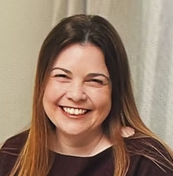
Samantha Langford is the Founder and Director of Unspoken Exhale. She offers trauma-informed spaces for connection and peer support, and also helps workplaces build grief-literate, compassionate cultures through training. She holds an MSc in Workplace Health and Wellbeing and a BTEC Level 5 Award in Trauma Risk Management. You can learn more about Sam here.


Comments