
It Wasn’t Actually Shame, It Was Grief
Grief does not wish to be seen

It wasn’t until I turned 27 years old when I realized how deeply I misunderstood my own emotional compass. Always a clever guy, I never doubted what I thought I knew. I didn’t doubt that I had met the love of my life at 14 years old, and I didn’t doubt that he had a very valid reason for never loving me in return.
I didn’t doubt that he should have left when he did, and I didn’t doubt that I believed deserved to have lost him - that my love was imperfect, and that was unacceptable. I didn’t struggle with the extreme insecurity that
I felt every time I began to speak about how I was feeling after he left, because all of the sadness and longing felt so normal to me at that point. In my mind, what I was feeling could only be one thing: Shame. That is, after all, what I believed I was feeling. Proof positive that clever guys still have a lot to learn, too.
Just shy of 27 years old, after many years of struggling, I entered into recovery. I didn’t know if I was coming or going. My clever brain had betrayed me, and I didn’t know which way was up. It took almost three years before I finally made my way out of the woods, so to speak, but when I did finally make it out, I realized that so much of how I had perceived my own shame was rooted in something entirely different, I just didn’t know how to label it.
Now, just shy of 40 years old, as a practicing Thanatologist and Funeral Director, I have a name for the thing that I thought was shame: Disenfranchised Grief.
In my grief, I was lacking the societal recognition that my mind needed in order to process what I had been carrying with me for half of my life. Primarily, I was too embarrassed to lean into my grief in a meaningful and substantive way.
While there were only a few people in my life who made it clear they were tired of hearing me complain, nearly all of my circle of people were willing to listen. But, I didn’t like the way I felt about myself when I heard myself complaining, so I retreated.
I also didn’t understand the nature of non-death losses, what those look like, and how difficult they are to settle up with. These are a keystone of the disenfranchised grief reality for many. Some of my non-death loss experiences have actually been more difficult for me to walk through compared to some of my notable biological-death losses.
In this case, the only way that I knew how to describe how I was feeling was, “Imagine loving someone more than you’ve ever dared to love yourself, and having to watch them walk away from you. Now, you live with the fact that they are out there, maybe with somebody else.
And, all you can do is hope that they’re happy, and hope they feel fulfilled.” It was the seemingly-infinite nature of the loss that had me spiraling. I didn’t need to settle up with a singular death event, I needed to take on every day of the rest of my life knowing that I don’t get to know if he’s okay.
Grief does not wish to be seen, because its power is stripped when we connect with one another in our grief. In a world where it seems loss is televised more often than hope, those battling with disenfranchised grief - a type of grief that the world does not see - benefit most from visibility.
As someone who still experiences effects of disenfranchised grief at times, I can say with absolute certainty that leaning into community while grieving can make all the difference.
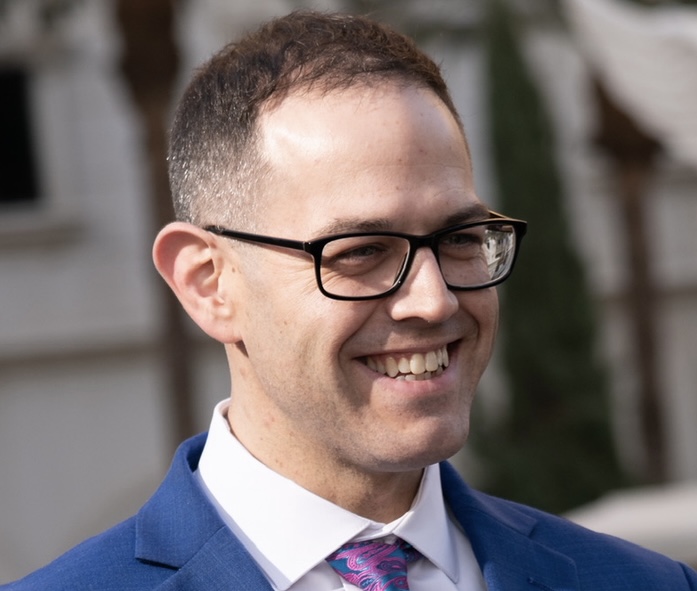
About Adam Annable, M.Sc, CT, CFSP

Adam is a Certified Fellow in Thanatology, Certified Grief Coach and Licensed Funeral Director. His specialist areas include disenfranchised grief, non-death loss, delayed and masked grief, anticipatory grief, addiction counselling, and LGBTQ-related loss. You can find out more about Adam here.



Comments